Nikon Astrophotography Camera Buyer's Guide: DSLR & Mirrorless

Affiliate disclosure: Some links on this page are affiliate links. If you buy through them we earn a small commission at no extra cost to you. Recommendations are research-driven; we don't claim personal use of every product reviewed. Product prices and availability are accurate as of the date published and are subject to change. Always check Amazon for current pricing before purchasing. Learn more.
Quick Picks
Nikon D7500 20.9MP DSLR Camera with AF-S DX NIKKOR 18-140mm f/3.5-5.6G ED VR Lens, Black
20.9MP sensor provides excellent resolution for detailed astrophotography images
Buy on AmazonNikon D7500 DX-Format Digital SLR w/AF-P NIKKOR 18-55mm f/3.5-5.6G VR Lens + -P 70-300mm f/4.5-6.3G ed + 64GB Memory
DX-format sensor with established Nikon reputation in astrophotography
Buy on AmazonNikon COOLPIX P1100 Superzoom Digital Camera
Superzoom lens provides extensive focal range for distant celestial objects
Buy on Amazon| Product | Price Range | Top Strength | Key Weakness | Buy |
|---|---|---|---|---|
| Nikon D7500 20.9MP DSLR Camera with AF-S DX NIKKOR 18-140mm f/3.5-5.6G ED VR Lens, Black best overall | $$ | 20.9MP sensor provides excellent resolution for detailed astrophotography images | DX-format sensor smaller than full-frame alternatives in same price tier | Buy on Amazon |
| Nikon D7500 DX-Format Digital SLR w/AF-P NIKKOR 18-55mm f/3.5-5.6G VR Lens + -P 70-300mm f/4.5-6.3G ed + 64GB Memory also consider | $$ | DX-format sensor with established Nikon reputation in astrophotography | Variable aperture lenses limit light gathering at telephoto focal lengths | Buy on Amazon |
| Nikon COOLPIX P1100 Superzoom Digital Camera also consider | $$ | Superzoom lens provides extensive focal range for distant celestial objects | Fixed lens design limits ability to optimize for specialized astronomy filters | Buy on Amazon |
| Nikon Z50 II with Two Lenses also consider | $$ | Two included lenses provide versatile focal range coverage | APS-C sensor smaller than full-frame competitors for deep sky | Buy on Amazon |
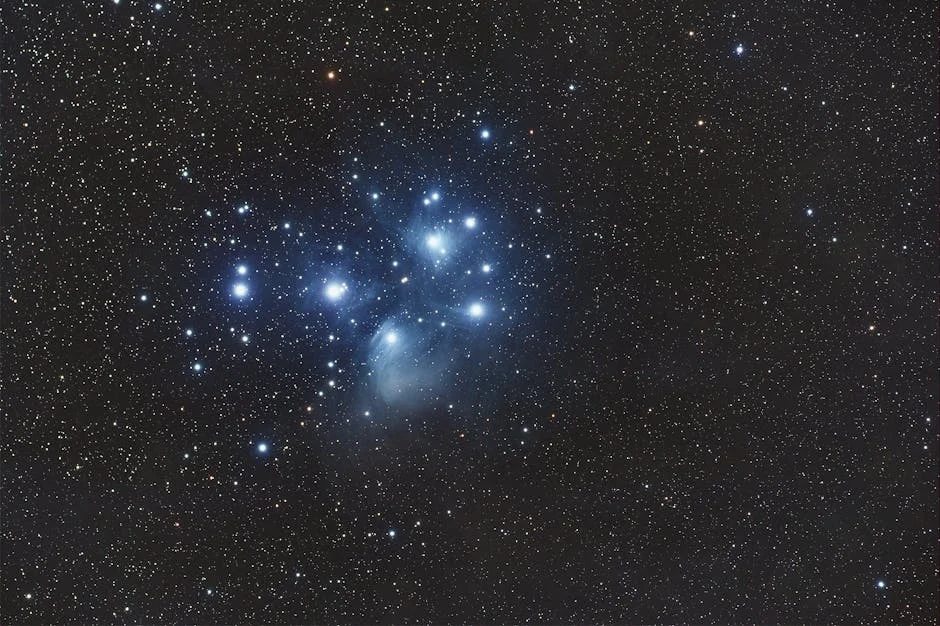
Choosing a Nikon camera for astrophotography means balancing sensor size, lens speed, and the particular demands of night sky work , long exposures, dim targets, and often a tripod or tracking mount in a cold field. The Astrophotography gear space has expanded considerably, but Nikon’s DSLR and mirrorless lineup remains a practical starting point for anyone who wants a capable, well-supported imaging system without committing to a dedicated astronomy camera.
The gap between a general-purpose camera and one that performs well on stars is real, and it shows up in the details , read noise, aperture at the focal lengths you’ll actually use, and how well the body handles extended night sessions.
What to Look For in a Nikon Astrophotography Camera
Sensor Size and Light Sensitivity
Sensor size is the single most consequential specification for astrophotography. A larger sensor collects more photons per unit time, which matters enormously when your targets are dim nebulae or faint star clusters. Full-frame sensors outperform APS-C in raw light-gathering, but APS-C (what Nikon calls DX format) is not a disqualifier , it is a trade-off.
DX-format sensors work well for wide-field Milky Way work and bright deep-sky targets. Where they struggle is in detecting very faint extended objects, where photon starvation at the pixel level becomes the limiting factor. If your targets are primarily wide-field constellation shots or bright Messier objects, DX is entirely workable.
Read noise is the other sensor metric worth examining. Modern Nikon sensors, including those in the D7500 and Z50 II, have read noise performance that holds up reasonably well for astrophotography , particularly with stacking workflows, where you acquire many frames and average down the noise floor.
Aperture and Lens Speed
Aperture is the second critical variable. An f/2.8 lens collects roughly four times the light of an f/5.6 lens at the same focal length , that difference, expressed in magnitudes, is significant for stars. Variable aperture kit lenses are convenient for daytime use but become a liability at night, particularly at the telephoto end where aperture shrinks to f/5.6 or narrower.
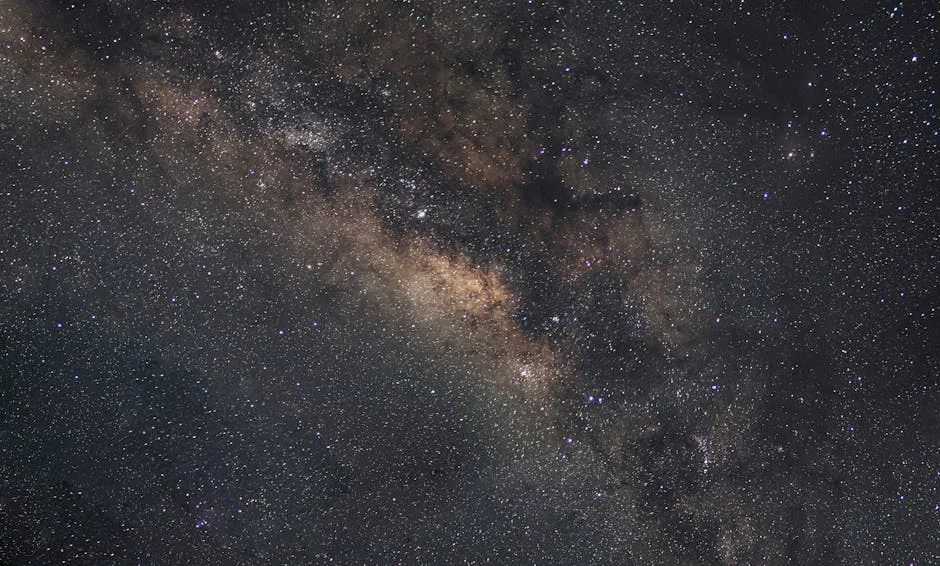
For Milky Way work, the sweet spot is a wide-angle lens , 14mm to 24mm , with a maximum aperture of f/2.8 or faster. For shooting the Moon, planets, or star clusters, longer focal lengths with acceptable aperture matter more. Understanding this trade-off before purchase saves significant frustration in the field.
Mirrorless Versus DSLR
The mirrorless versus DSLR question is increasingly relevant in Nikon’s lineup. Mirrorless bodies like the Z50 II offer a shorter flange distance, which opens up adapter options and makes the system more compact on a tracking mount. DSLRs like the D7500 have the advantage of a mature lens ecosystem and extensive community documentation for astrophotography use.
Neither format is wrong for night sky work. The practical advantage of mirrorless is weight savings and the electronic viewfinder, which renders live histograms useful for exposure verification in the dark. The practical advantage of DSLR is that the D7500 has years of field testing and a known quantity of astrophotography-specific community resources. Reviewing the full range of astrophotography camera options before deciding on a format is worth the time.
Tracking Mount Compatibility
A camera is only as useful as the platform it sits on. Without a tracking mount, any exposure longer than 15, 20 seconds will show star trails at typical wide-field focal lengths , and at telephoto lengths, trailing appears much faster. Most serious astrophotography setups pair the camera body with at minimum a simple star tracker.
The weight of your camera and lens combination determines which tracker class you need. Compact APS-C mirrorless bodies paired with lightweight lenses fit on the smallest, most portable trackers. Heavier DSLR and telephoto combinations require a more robust mount. Factor payload capacity into your purchase decision alongside the camera itself.
Top Picks
Nikon D7500 20.9MP DSLR Camera with 18-140mm Lens
The Nikon D7500 with 18-140mm lens is the most straightforward entry point in this group for a photographer who already has some DSLR experience and wants a single-kit solution for both daytime and night use. The 20.9MP DX sensor delivers genuine resolution , enough to pull useful detail from a dense starfield or a bright nebula with good technique.
The 18-140mm zoom is the honest trade-off here. At 18mm f/3.5, it handles Milky Way work adequately, particularly with a tracker. At 140mm, the aperture drops to f/5.6, which limits it to brighter targets like the Moon and open clusters. If you intend to work at the telephoto end on dim objects, you’re going to want a faster prime lens eventually , this bundle gets you started, but it’s not the ceiling.
Image stabilization (VR) is present, which helps for static scenes and untracked wide shots. On a tracking mount, VR should typically be disabled , the system can fight the mount’s corrections, which introduces its own errors. That’s a minor operational point, but worth knowing before your first night out.
Check current price on Amazon.
Nikon D7500 DX-Format DSLR with 18-55mm, 70-300mm, and 64GB
The D7500 dual-lens kit with 18-55mm, 70-300mm, and 64GB memory covers more focal range than the single-lens bundle, which is useful if you want to shoot wide-field compositions one night and closeups of the Moon the next without swapping primes.
The 70-300mm variable aperture lens is the one to examine carefully. At 300mm, aperture narrows to f/6.3 , two-thirds of a stop slower than the already-modest f/5.6 you get at 140mm on the other kit. That is not fast glass for deep sky. It is, however, adequate for lunar and planetary work, where your target is bright and the challenge is focal length rather than photon collection. The Moon through 300mm produces genuinely pleasing images even with modest aperture.
The 64GB card inclusion is a practical convenience. Astrophotography sessions generate large volumes of RAW files quickly , especially if you’re shooting long sequences for stacking. Having that storage included and ready removes one variable from a first session.
Check current price on Amazon.
Nikon COOLPIX P1100 Superzoom Digital Camera
The Nikon COOLPIX P1100 occupies a different niche than the DSLR kits above. This is a fixed-lens superzoom , a bridge camera , and its appeal for astrophotography is almost entirely about its reach. The optical zoom range extends well into telephoto territory, making it unusually capable for Moon and planet framing without any additional glass.
The trade-offs are real and worth naming plainly. The sensor is small by interchangeable-lens camera standards, and a smaller sensor at narrow apertures in the telephoto range will struggle with anything dim. Extended deep-sky work , nebulae, galaxies, star clusters at low surface brightness , is not this camera’s category. Lunar craters, Jupiter’s cloud bands on a steady night, and wide constellation shots are more realistic targets.
For a buyer who wants maximum portability, minimal setup complexity, and primarily plans to photograph the Moon and bright planets, the P1100 is a defensible choice. For someone planning deep-sky imaging with stacking workflows, a DSLR or mirrorless with interchangeable lenses and filter compatibility is the more useful platform.
Check current price on Amazon.
Nikon Z50 II with Two Lenses
The Nikon Z50 II two-lens kit is the most future-facing option in this group. The Z-mount mirrorless system is Nikon’s current development platform, and that matters for long-term lens and accessory investment. APS-C mirrorless is a compact, capable format for astrophotography , particularly wide-field work where portability on a lightweight tracker is a genuine advantage.
The two included lenses give you a workable focal range, though like all kit glass at variable apertures, they are a starting point rather than an optimized astrophotography solution. The Z-mount’s short flange distance and wide throat diameter mean that as you build your lens collection, you have access to some of the best fast native glass Nikon has produced , and excellent native prime options exist in the Z lineup for night sky work.
Where the Z50 II earns its recommendation is for buyers who are thinking more than one purchase ahead. If you plan to add a fast prime, a star tracker, and eventually refine your workflow toward stacking and calibration frames, building that system on a mirrorless body with a native mount gives you a cleaner upgrade path than continuing to invest in the DSLR ecosystem.
Check current price on Amazon.
Buying Guide
Matching the Camera to Your Actual Targets
The most useful question to ask before buying is: what are you actually going to photograph? Wide-field Milky Way images require a wide-angle, fast lens and a dark sky. Lunar and planetary images require focal length , reach , and a steady platform. Deep-sky objects (nebulae, galaxies, clusters) require long exposures, low read noise, and either dark skies or narrowband filters.
Each of these use cases puts different demands on the camera body and the accompanying lens. A buyer focused on Milky Way landscapes needs the fastest wide prime they can afford. A lunar photographer needs maximum focal length and a stable tripod. Matching your gear to your intended targets, rather than buying the most capable body and hoping it covers everything, produces better results at every price level.
DX Format Versus Full Frame for Night Sky Work
That is worth acknowledging directly: full-frame sensors have a light-gathering advantage for astrophotography that is measurable, particularly for faint extended objects. For many buyers, DX is the right practical choice anyway , the bodies are lighter, more portable, and the lenses cost less.
The best mitigation for a smaller sensor is technique: shoot longer exposures, stack more frames, and manage your sky background carefully. Modern DX sensors, including those in the D7500 and Z50 II, have low enough read noise that stacking workflows can produce genuinely competitive results against full-frame at equivalent effort. Don’t let the full-frame conversation talk you out of starting with an APS-C body.
Kit Lenses Versus Dedicated Night Sky Glass
Every bundle in this group includes at least one variable aperture zoom lens. Those lenses are useful for learning composition and focal length preferences, but they have a ceiling for serious astrophotography work. A fast prime , 24mm f/1.8, 35mm f/1.8, or a 50mm f/1.8 , will outperform any f/3.5, 5.6 zoom on dim targets. The astrophotography gear ecosystem has a wide selection of affordable fast primes compatible with Nikon mounts.
The practical sequence many photographers follow: start with the kit lens to learn the workflow, identify the focal length that matches your preferred targets and compositions, then invest in a fast prime at that length.
Tracking Mounts and Exposure Length
Without a tracking mount, untracked exposures beyond roughly 15, 20 seconds (at wide angles) will produce star trails rather than star points. On a cropped sensor at even moderate focal lengths, trailing becomes visible faster. A simple two-axis tracker like the iOptron SkyGuider Pro or the Sky-Watcher Star Adventurer adds manageable cost and dramatically improves the quality of every exposure you shoot.
Mirrorless bodies like the Z50 II are lighter, and lighter systems are easier to balance on compact trackers. If portability is your priority , backpacking, travel, dark sky site runs , that weight saving is a real operational benefit. DSLR users should verify payload ratings before assuming a compact tracker handles their full kit.
Memory, Power, and Cold-Weather Operation
Astrophotography sessions run long and cold. Batteries drain faster in low temperatures, and a session interrupted by a dead battery costs you calibration continuity and tracking alignment. Carrying two fully charged batteries is standard practice.
Memory is less of a bottleneck now , 64GB handles a reasonable night’s shooting in RAW , but the real variable is your write workflow. RAW files from a 20MP sensor run large. If you’re planning long stacking sessions (60+ frames), verify your card is fast enough to keep up with your buffer. Slow write speeds on budget cards can create gaps in a long exposure sequence.
Frequently Asked Questions
Is a Nikon DSLR a good camera for astrophotography beginners?
Yes, particularly the D7500, which has a well-documented astrophotography use history and broad community support. The learning curve for astrophotography is in technique and workflow , stacking software, dark frames, flat frames , not in body selection. A capable APS-C DSLR gives you a solid platform to develop those skills without spending at the full-frame tier before you’ve established what you actually need.
What is the difference between the D7500 single-lens and dual-lens kits for night sky use?
The single-lens kit (18-140mm) gives you a wider zoom range in one lens with fewer items to manage in the field. The dual-lens kit adds a 70-300mm lens and 64GB of storage, which extends your reach for lunar work. Both share the same D7500 body , the sensor performance is identical. The choice is primarily whether you want Moon and planet reach from the start or prefer to carry less glass initially.
Can the Nikon COOLPIX P1100 shoot deep-sky objects?
Not practically. The P1100’s compact sensor and fixed lens are well-suited to bright targets , the Moon, planets, and daytime superzoom work , but deep-sky imaging requires long exposures on dim extended objects, which demands low read noise, filter compatibility, and ideally a fast interchangeable lens. For serious nebula or galaxy work, an interchangeable-lens camera with a dedicated fast prime is the right tool.
Should I buy the Z50 II or the D7500 for astrophotography?
The Z50 II is the better long-term platform. The Z-mount system is Nikon’s current development priority, which means continued investment in native lenses and accessories. The D7500 has a larger existing astrophotography community and more legacy lens options. If you already own Nikon F-mount glass, the D7500 has a practical advantage.
Do I need a tracking mount to use these cameras for astrophotography?
For anything beyond 15, 20 second untracked exposures at wide angles, yes. Without tracking, stars trail , the Earth’s rotation moves them across your sensor faster than a single long exposure can compensate for. A star tracker aligned to Polaris allows exposures of several minutes, which is the threshold where dim objects start to become visible. It is arguably the most impactful single purchase you can make after the camera body itself.
Where to Buy
Nikon D7500 20.9MP DSLR Camera with AF-S DX NIKKOR 18-140mm f/3.5-5.6G ED VR Lens, BlackSee Nikon D7500 20.9MP DSLR Camera with A… on Amazon